
The grammar of a wedding album: How sheet designs becomes the soul of the story?
A beautiful wedding album is not simply a collection of beautiful photographs.
It is the way those photographs are edited, arranged, paced and given space to breathe that determines how the story is experienced. Two albums can contain the same photographs and yet feel completely different when you turn their pages.
That is why, at CandidShutters Store, we believe the sheet designs are the soul of the album.
The cover gives an album its first impression. The paper and binding determine how it feels in your hands. But it is the sheet-by-sheet designs that determines how the memories actually unfold.
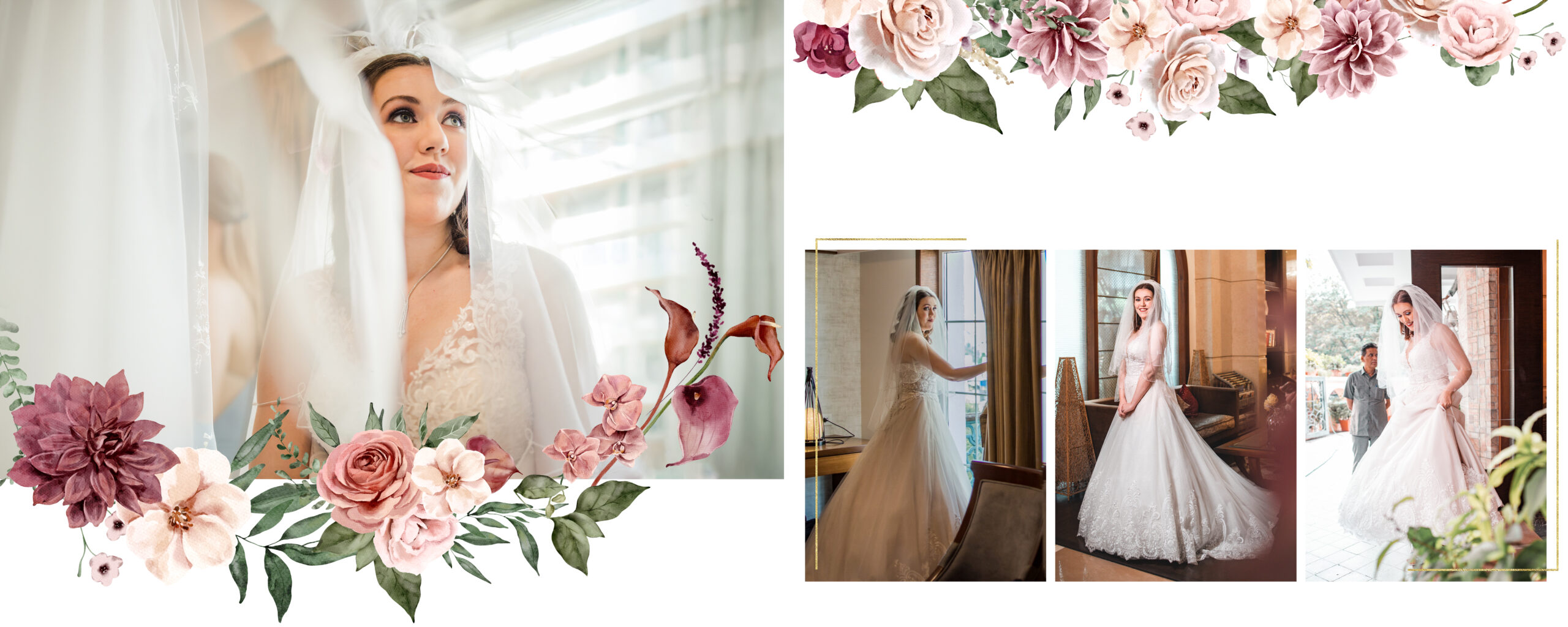
And good album design is not about fitting the maximum number of photographs onto a page. A comfortably spaced layout will often carry around four to six photographs on a sheet, allowing the images to breathe and creating a natural connection between them.
But that is not a rule.
Some photographs deserve an entire spread. Some belong naturally in a sequence. Some need to be smaller because they support a more important moment. The designer’s job is to understand the difference.
Because every wedding has a different story to tell.
Two ways to create your album
At CandidShutters Store, couples and families can approach album design in two distinct ways:
through our curated wedding album themes or through a customised sheet designs created around their preferences.
Curated wedding album themes
Our wedding album themes are pre-designed visual directions, created and curated by our design team.
They are for customers who would rather browse different design personalities and choose the one that feels most like them.
A couple may prefer something contemporary and clean. Another may be drawn towards a softer, more romantic aesthetic. Someone else may prefer a more classic or richly Indian visual character.
Once a theme is selected, our design team follows that visual language throughout the album, adapting the actual photographs and sheet compositions to work within the chosen theme.
The theme provides the album with consistency from beginning to end.
Customised album design
Customised sheet designs works differently.
Here, the customer chooses the design direction. They may prefer Modern, Modern Minimalistic, Fusion, Minimalistic, Classic or Western Grid. They may also have references of albums or layouts they particularly like.
The customer is not choosing a set of pre-designed pages.
Instead, our design team takes that preferred visual direction and creates the album from scratch around the photographs.
The chosen style becomes the visual language that runs through the album. The layouts, however, are created according to what works best for each part of the story.
A Modern album, for instance, may have a full-spread photograph on one sheet, a comfortably spaced five-image layout on another, a half-spread with one dominant photograph on the next and a structured grid further along.
The layouts are different, but the underlying Modern aesthetic remains consistent.
Within that chosen style, our designers can mix and match layouts, colours, backgrounds, spacing, borders and other visual elements to complement the photographs. A particular colour treatment may work beautifully with one part of the wedding; a different background or composition may better suit another.
The designer makes these choices while ensuring that everything continues to belong to the same overall design language.
In other words:
The client chooses the style. The designer creates how that style comes alive on each sheet.
That is what makes a customised album genuinely customised.
Style creates consistency. Layout creates rhythm.
This distinction is important.
Sheet design style gives the album its visual personality.
The sheet layout gives the story its rhythm.
They are not the same thing.
A design style should not be confused with a fixed page template. If every sheet were simply repeated in the same arrangement, the album would quickly become predictable.
Instead, the design style establishes the common thread.
The layouts can then respond to the photographs.
A full spread can be followed by a five-image layout. A symmetrical sheet can lead into a more dynamic composition. A quiet portrait can be given generous white space, while a sequence of energetic dance-floor photographs can be brought together more closely.
The layouts change because the story changes.
The visual language stays consistent because the album is still one story.
This is what prevents a customised album from looking like a collection of unrelated sample pages.
Why every sheet cannot be designed the same way?
A wedding story naturally contains different kinds of moments.
The quietness of getting ready is different from the energy of the baraat.
A couple portrait feels different from a room full of dancing guests.
A photograph of parents sharing an emotional moment may need a completely different treatment from a series of friends laughing together.
That is why simply repeating one layout across every sheet rarely produces the best album.
Instead, the designer creates a visual rhythm.
Full spreads: When a photograph needs to breathe
Some photographs deserve to stand alone.
A dramatic couple portrait, a beautifully composed bridal photograph, an architectural venue image or an emotional family moment can become much more powerful when given an entire spread.
The absence of other photographs allows the viewer to pause.
But full spreads are most effective when used selectively. If every photograph receives the same amount of space, nothing feels particularly important.
A full spread works because the pages around it create contrast.
Half-spreads and dominant images: Establishing hierarchy
Sometimes one photograph needs to lead without occupying the entire sheet.
A dominant photograph can take up a substantial part of the layout while smaller photographs provide context.
A bride’s portrait, for example, could be accompanied by photographs of her jewellery, her mother helping her get ready and an intimate moment with her bridesmaids.
The larger photograph establishes the focal point. The smaller photographs tell the story around it.
Five-image and spaced layouts: Letting the story flow
For many parts of a wedding, a comfortably spaced arrangement of around four to six photographs works beautifully.
It provides enough variety to move the story forward while giving each photograph enough breathing room.
This works particularly well for getting-ready sequences, family interactions, ceremony coverage, couple portraits and candid moments.
The photographs feel connected without becoming crowded.
Symmetrical layouts: Clean and balanced
Symmetrical layouts use balanced positioning, consistent margins and considered spacing.
They work particularly well for formal family portraits, bridal parties, architectural photographs and images with naturally structured compositions.
For couples who prefer a clean, classic and orderly aesthetic, symmetry can bring a sense of calm to the album.
Western grid: Structured and contemporary
Western Grid layouts use a more defined system of alignment, spacing and proportion.
Photographs may vary in size, but they remain connected through an underlying grid. The result can feel contemporary, editorial and polished.
This style works particularly well for destination weddings, fashion-forward photography and couples who prefer a modern visual language.
Importantly, a Western Grid is not simply about putting photographs into boxes.
The grid is the underlying structure. The designer still decides which photograph deserves prominence, which images belong together and how the story moves from one sheet to the next.
Fusion: Contemporary, yet rooted in the celebration
Indian weddings are visually abundant colour, textiles, jewellery, flowers, rituals, architecture and people all contribute to the visual story.
But that does not mean the album needs to be heavily embellished.
Fusion brings together contemporary Western design principles with an Indian visual sensibility.
Soft borders, subtle decorative elements and restrained Indian-inspired details can add character while keeping the overall album modern, elegant and chic.
It is particularly effective for couples who want their album to acknowledge the richness of an Indian celebration without making the design feel overly ornamental.
The principle is simple:
The design should embellish the photographs, not overpower them.
Minimalistic: The beauty of restraint
Minimalistic design relies on space, proportion and careful selection.
There are fewer decorative elements, but that does not mean fewer design decisions.
In fact, when there is less on the page, every decision becomes more visible.
Margins matter. The distance between photographs matters. The choice of which image sits next to another matters.
This approach works particularly well for couples who prefer quiet elegance and want the photographs to do most of the talking.
Classic: Timeless rather than trend-led
Classic sheet designs has a more traditional visual character.
Balanced compositions, defined framing and a sense of order can work beautifully for formal family photographs, traditional ceremonies and couples who want their album to feel timeless.
The aim is not to make the album look old-fashioned.
It is to create a visual language that will continue to feel appropriate years from now.
The photographs always have the final say
Even after a style has been selected, the designer does not simply apply it mechanically.
The photographs have to be understood first.
Who are the important people in the story?
Which moments matter most to the family?
Which photographs belong together?
Where does the story become energetic?
Where does it become intimate?
Which photograph deserves more space?
Where should the viewer pause?
The customer’s preferences and references provide the creative direction. The photographs provide the material. The design team brings the two together.
That is where creative discretion becomes important.
A customer may ask for a Modern album, but the designer still has to determine what Modern means for this particular wedding.
A Western Grid preference does not mean every sheet should become a rigid grid.
A Fusion preference does not mean every page needs Indian motifs.
A Minimalistic preference does not mean every sheet should be empty.
The style provides the boundaries.
The designer creates within them.
A good album should feel designed, not over-designed
The best album design is often the design you stop noticing.
You notice the bride’s expression.
You notice your parents laughing.
You notice the friend dancing in the background.
You remember the moment before the ceremony.
You turn the page and discover another part of the story.
Sheet designs are quietly doing its work underneath all of this creating hierarchy, connecting photographs, controlling pace and giving important moments the space they deserve.
If the sheet design competes with the photographs, it has done too much.
If every sheet looks identical, it has done too little.
The balance lies in creating consistency without monotony and creativity without chaos.
From photographs to a story
Whether a couple chooses one of our curated wedding album themes or comes to us with a customised sheet design preference, the objective remains the same.
The album should feel cohesive from the first sheet to the last.
A selected theme gives the design team an established visual language to follow.
A customised design gives the customer the opportunity to influence that language and have the album created specifically around their taste and photographs.
In both cases, the layouts are not simply about filling pages.
They are about deciding when a photograph should speak alone, when several photographs should speak together, when the story should slow down and when it should move forward.
Because a wedding album is experienced one sheet at a time.
The photographs tell the story.
The layout gives it rhythm.
The design style gives it a voice.
And when all three work together, the result is not just a book of wedding photographs.
It becomes your story, designed to be remembered.

Vaishali Sahu
Vaishali is a content strategist and writer who moves between the heartfelt and the corporate with equal ease. She writes about the things people want to hold onto, and the way organisations tell the world who they are. Rigorous with research, deliberate with tone, and always looking for the human angle that makes a piece worth reading.
Your memories deserve
a real home.
Handcrafted photo albums designed by humans,
powered by care — not a scroll.